Thirty Days of Fallout: Anatomy of a Regional Distributor Collapse
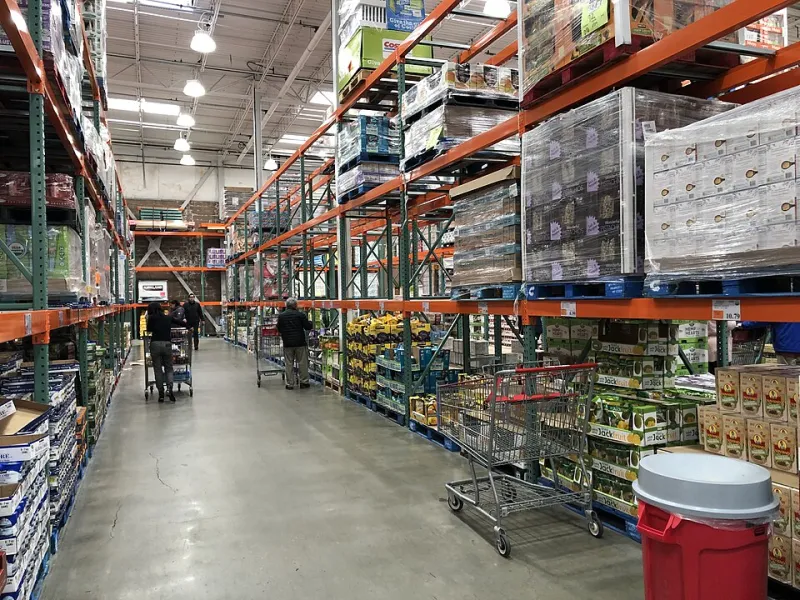
Photo: ArnoldReinhold, CC BY-SA 4.0, via Wikimedia Commons
Day Zero: The Call Nobody Forwards
It rarely arrives as a formal announcement. A payment doesn't clear. A scheduled delivery never leaves the warehouse. A sales rep goes quiet mid-negotiation. Within 72 hours, the rumor circulates through the market faster than any official notice: the region's second-largest distributor has ceased operations.
For the retailers and small suppliers in its orbit, the clock starts now—and the first two weeks determine whether the disruption is an inconvenience or an existential event.
Days 1–7: The Inventory Trap
The immediate crisis is product. Retailers may have tens of thousands of dollars of inventory sitting in the distributor's warehouse—paid for, but not yet transferred. Under most state frameworks, that product cannot simply be driven to a dispensary; it requires an approved inventory transfer through the state track-and-trace system, and those transfers often freeze when a license enters insolvency proceedings or state receivership.
Retailers in this window should immediately:
- Document every purchase order, invoice, and payment against the distributor
- File a formal claim with the state regulator identifying product owned but not received
- Request, in writing, a consolidated inventory report from the distributor or receiver
Suppliers face the mirror-image problem: consigned product in the distributor's possession may be sold or tangled in creditor claims before they can recover it.
Days 7–14: The Payment Void
Week two brings the accounting reckoning. Outstanding rebates, credits, and unremitted tax collections surface. Retailers who pre-paid discover they are unsecured creditors in a process that may take years to resolve. Meanwhile, the distributor's accounts payable freeze means suppliers who shipped on net-30 terms are suddenly financing a bankruptcy.
The practical effect: working capital evaporates across the supply chain simultaneously. Smaller operators with thin reserves face payroll decisions while waiting on receivables that may never arrive in full.
Days 14–30: The Emergency Sourcing Scramble
By mid-month, shelves must be restocked regardless of the legal aftermath. Retailers who relied on the collapsed distributor for 40–60% of their inventory now compete with every other orphaned account for the same alternative suppliers.
This is when prices spike and terms harden. Suppliers with capacity demand prepayment from buyers they don't know. Compliance becomes a casualty of urgency—new vendors get onboarded with less scrutiny than any experienced buyer would normally accept, creating exactly the licensing and track-and-trace risks that regulators penalize most.
The Preparedness Playbook
The operators who weather a distributor collapse best share common habits:
- Concentration limits: No single distribution partner should carry more than 25–30% of inventory flow.
- Pre-vetted backups: Maintain active accounts, current COAs, and negotiated rate cards with at least two alternate suppliers per major category.
- Payment discipline: Favor shorter payment cycles and avoid large prepayments; treat prepayment to any single partner as unsecured lending.
- Documentation hygiene: Keep transfer manifests, invoices, and payment records organized enough to file a regulator claim within days, not weeks.
- Regulatory relationships: Know your state's process for inventory transfers from insolvent licensees before you need it.
Distributor failures are not anomalies in this industry—they are a recurring feature of a capital-starved, compliance-heavy market. The scramble is inevitable. Starting it from zero is optional.